
Embark on a fascinating journey into the realm of baby lions, those adorable yet wild inhabitants of the African savanna who symbolize the epitome of nature’s majesty.
While they may appear charming, their existence is fraught with challenges in their unforgiving environment, where survival is a constant battle against numerous threats.
If you prefer not to read the full story,
Skip ahead to watch the video ->
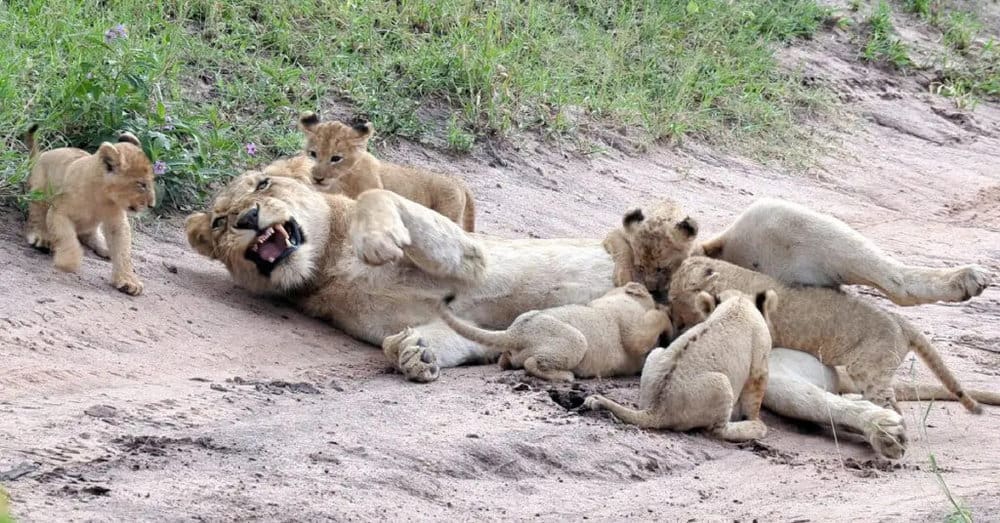
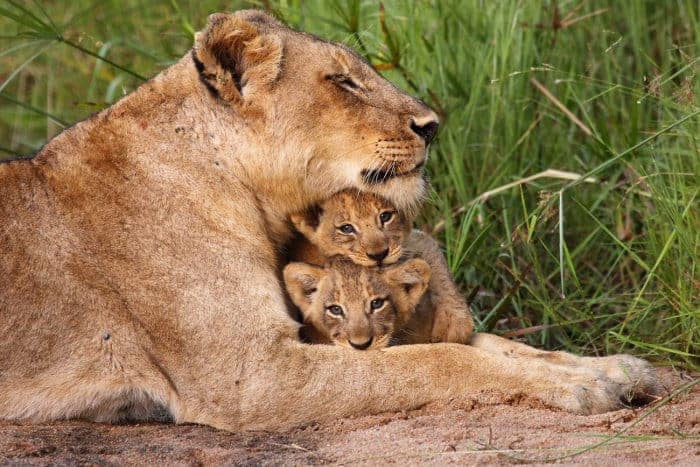
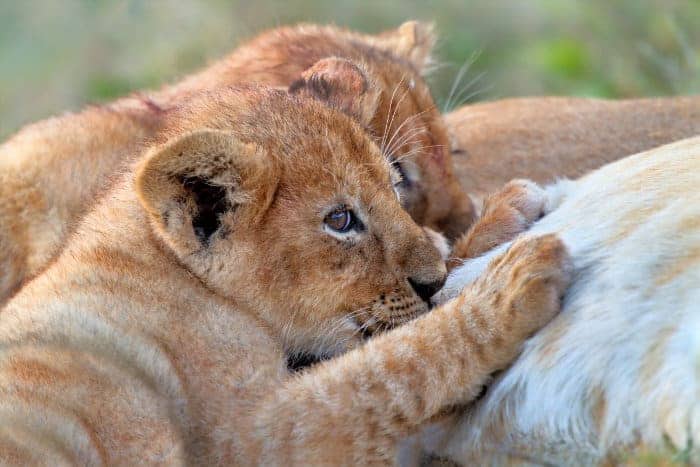
Born blind and vulnerable, baby lions spend their early days concealed by their mothers, relying on camouflage to evade predators.
As they grow, their spots fade, and they begin to explore their surroundings, albeit under the watchful eyes of their mothers.
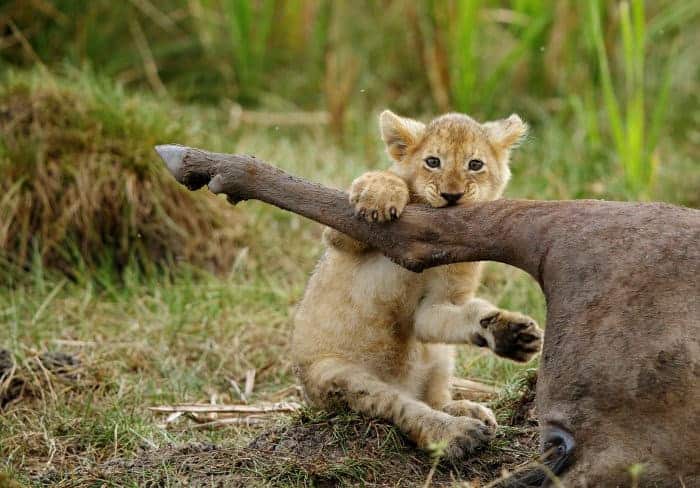
Despite the risks posed by predators and natural hazards like stampedes, these resilient cubs gradually learn to navigate their world.
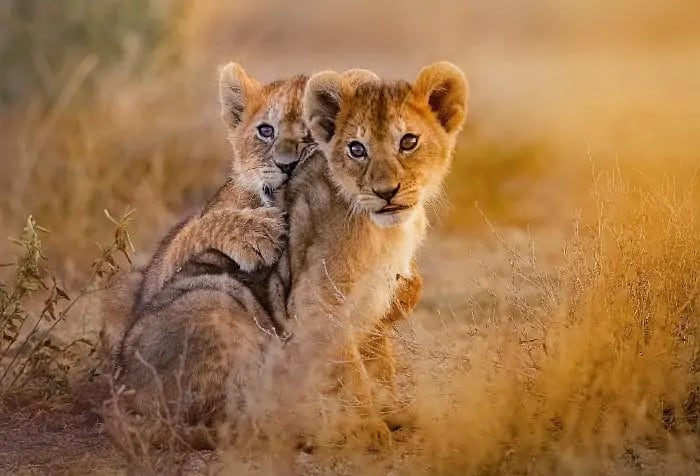
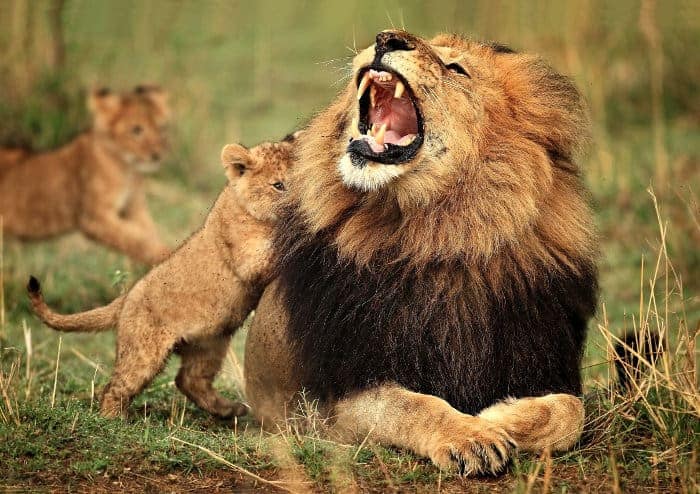
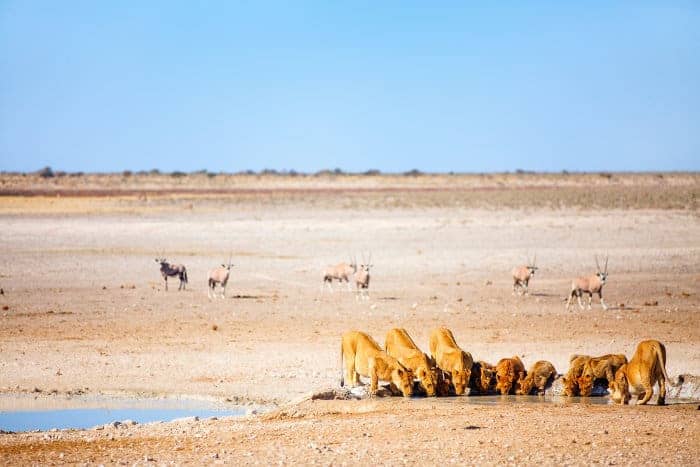
The social dynamics within lion pride are crucial in the cubs’ upbringing. Prides, consisting of several lionesses and their offspring, provide a support network for raising young cubs.
Male lions, while primarily tasked with protection, also contribute to the pride’s cohesion and safeguard the cubs from external threats, including rival males seeking dominance.
As the cubs mature, they undergo a rite of passage, transitioning from playful youngsters to formidable hunters.
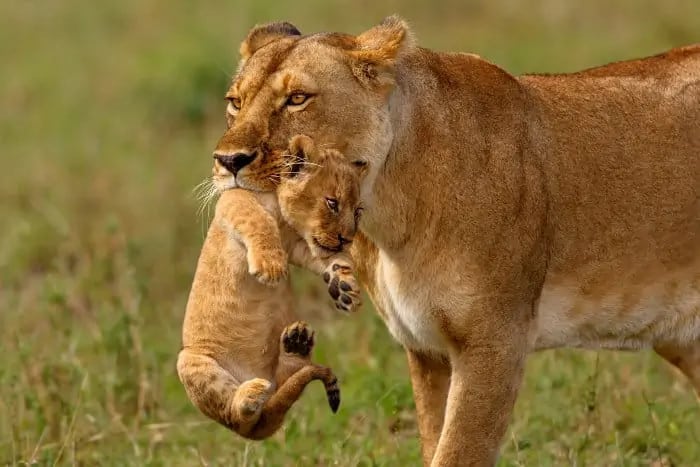
Guided by lionesses, they learn the art of hunting and eventually integrate into the pride’s activities.
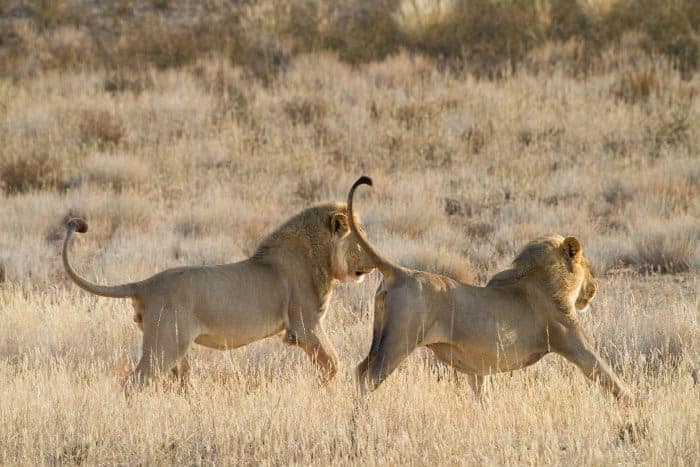
However, male cubs face exile as they reach adulthood, forming nomadic bachelor groups until they can challenge and claim their pride.
Despite their endearing appeal, baby lions belong in the wild, not as pets. Exploiting these majestic creatures for human entertainment, such as cub petting, poses a grave threat to their welfare and conservation.
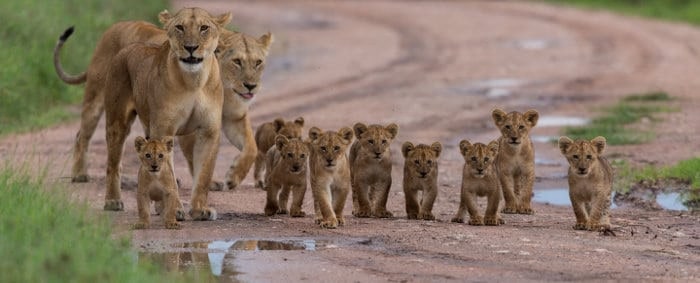
Efforts to combat such practices and preserve lion populations are underway, emphasizing the importance of responsible tourism and wildlife protection.

Watch the video below:
Read more Wildlife News.