In the thrilling saga of survival on the African savannah, a mother cheetah showcased unparalleled bravery as she bravely defended her cubs against a formidable lion threat.
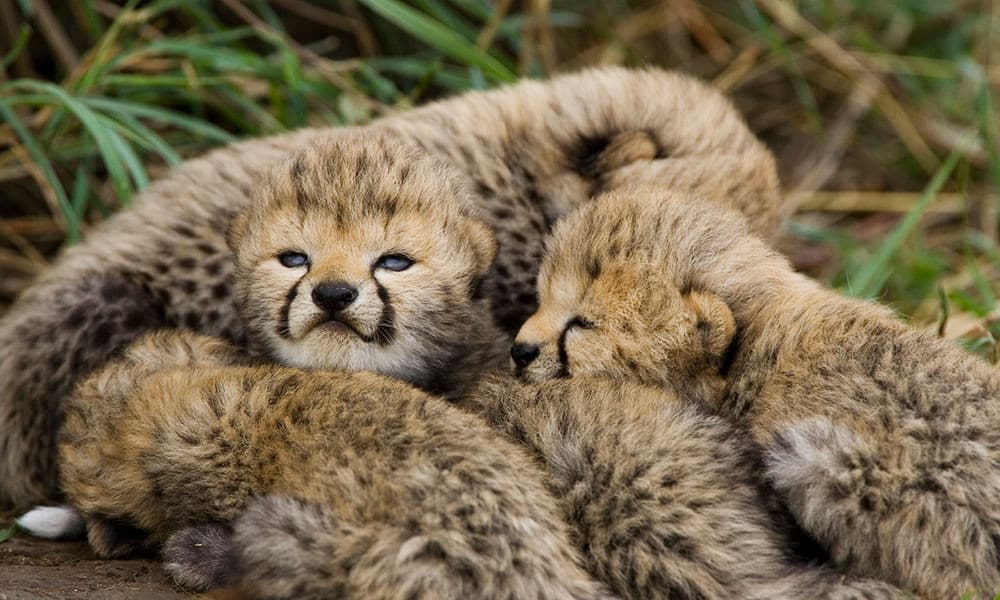
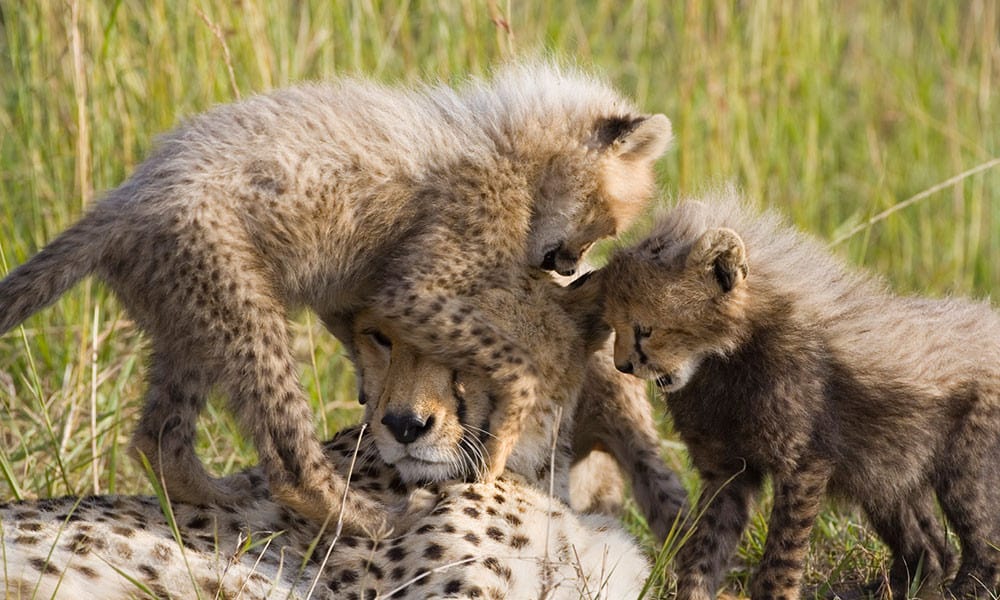
The life cycle of a cheetah spans three crucial stages: cubhood, adolescence, and adulthood. Cub mortality rates soar in protected areas due to the presence of larger predators like lions, reaching up to a staggering 90%.
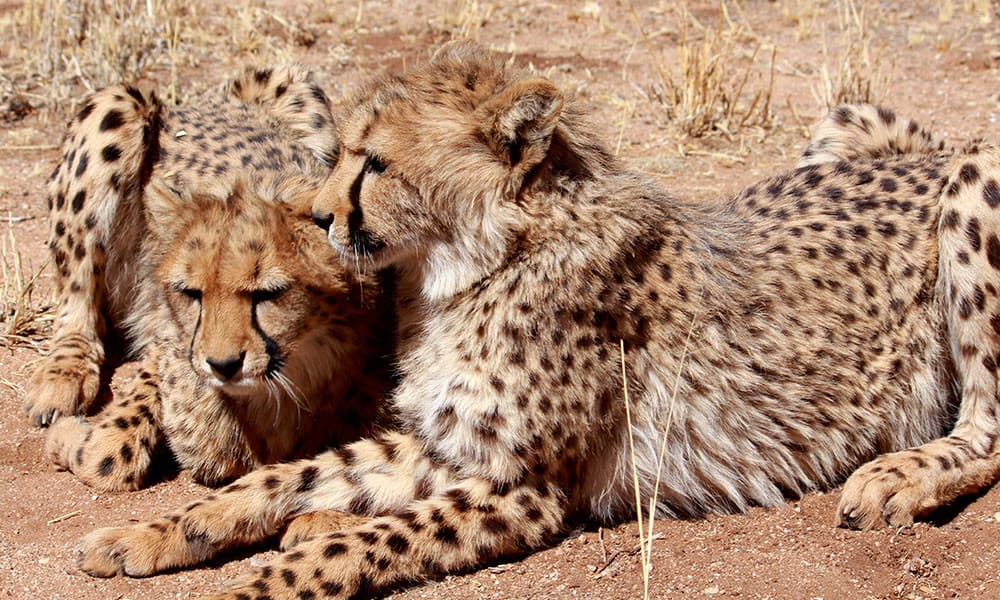
Despite facing numerous challenges in the wild, adult cheetahs exhibit remarkable agility and speed, boasting an average lifespan of 10-12 years.
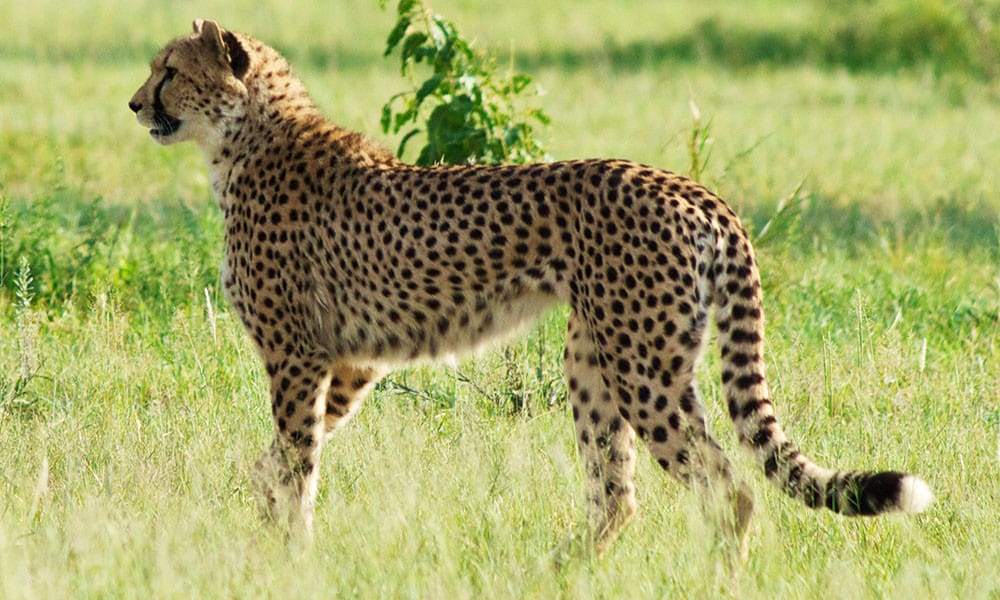
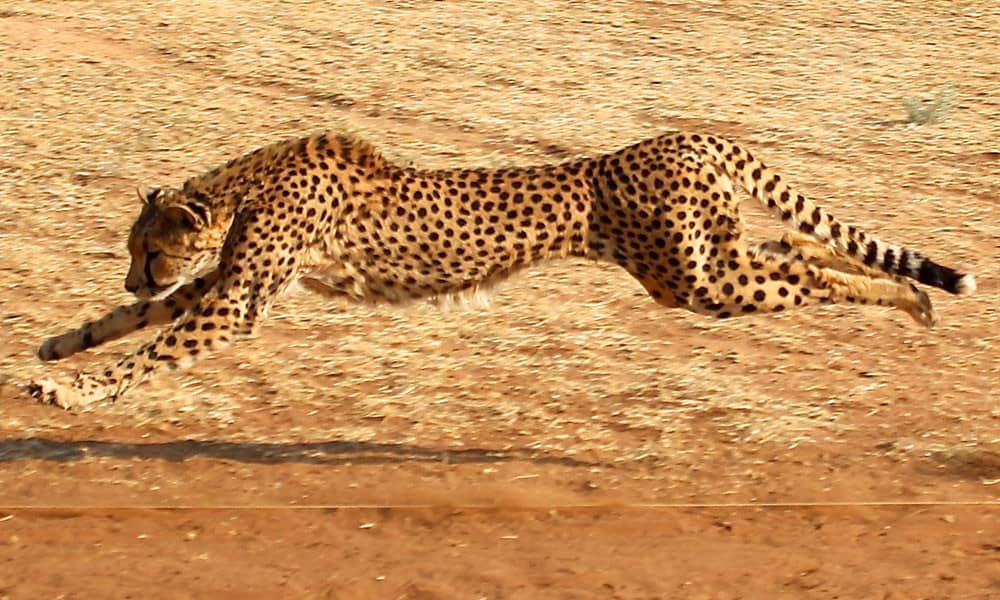
Their slender physique and unique physiology enable them to achieve speeds exceeding 70 mph, making them the fastest land animals on Earth.
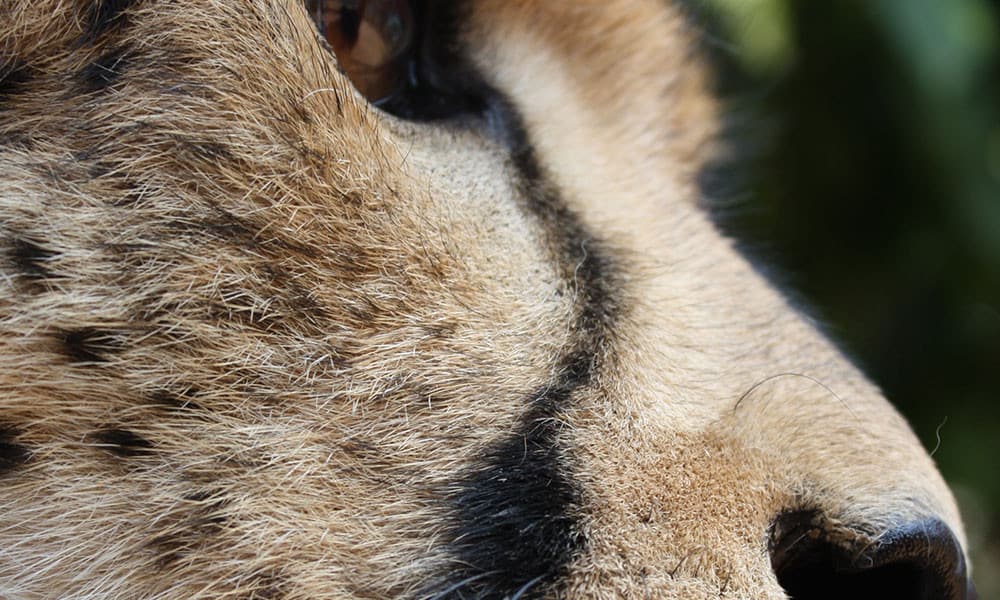
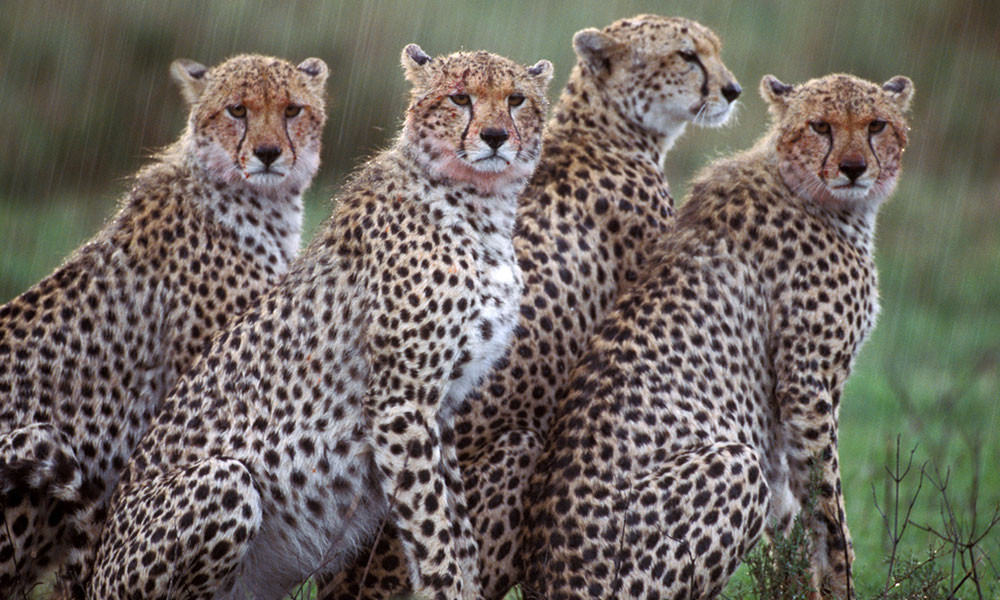
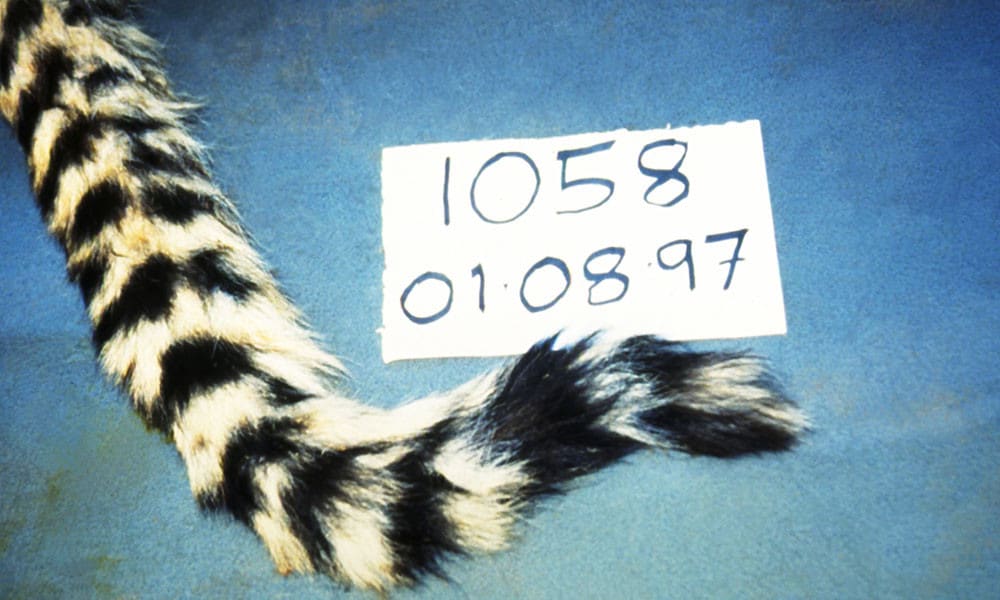
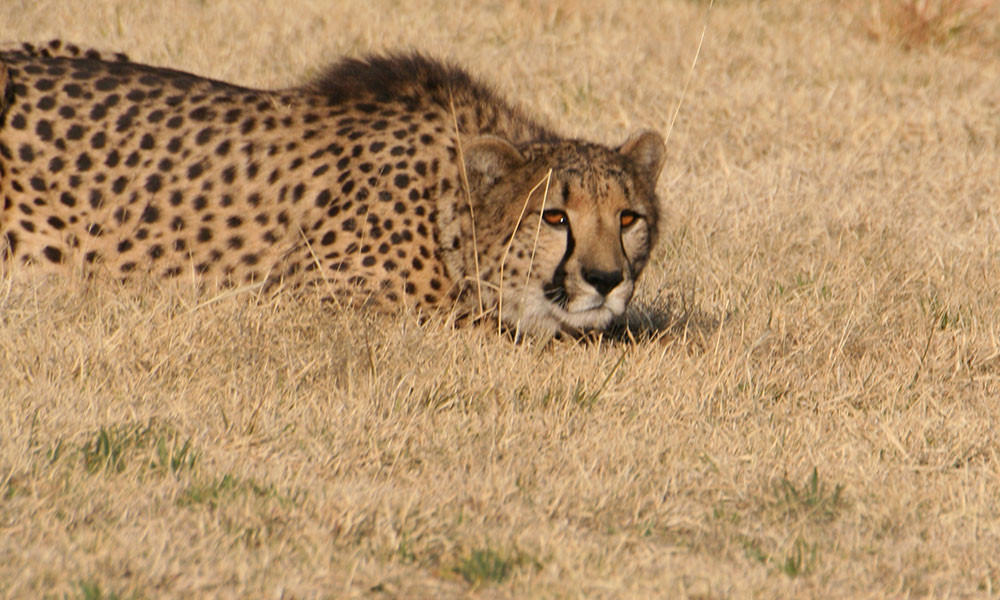
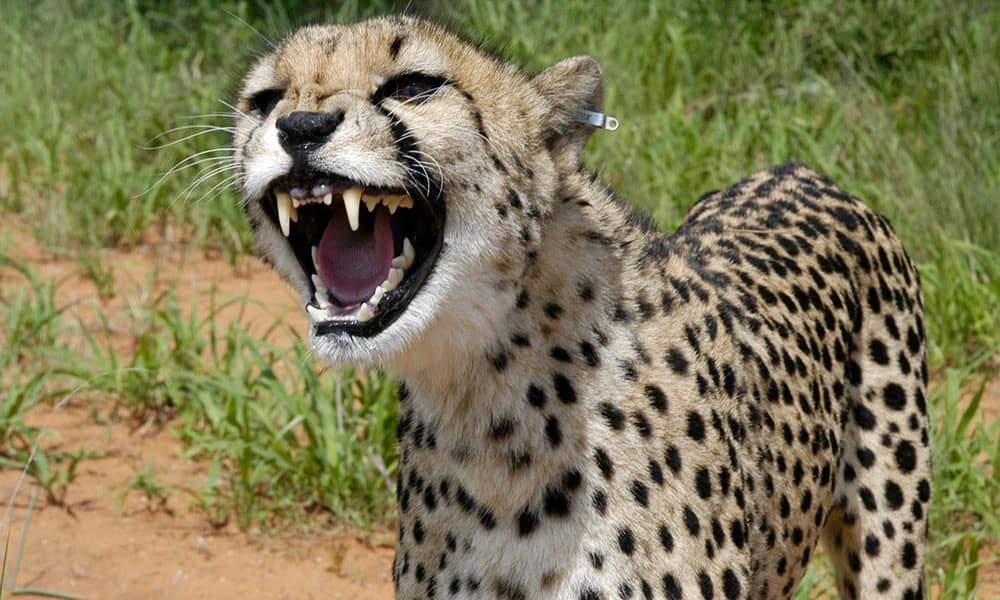
Distinctive markings, including tear stripes and bushy-tufted tails, serve both functional and camouflaging purposes, aiding cheetahs in their hunting endeavors and protecting their vulnerable cubs.
Cheetahs’ hunting prowess is unparalleled, but their prey’s evasive tactics often pose challenges during hunts.
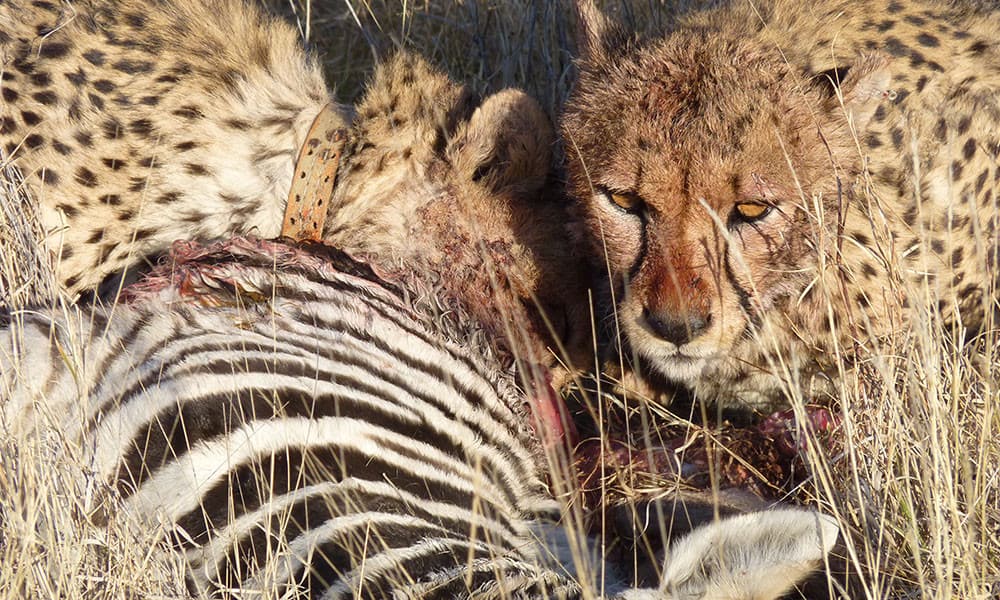
Gazelles, impalas, and other small to medium-sized antelopes constitute their primary prey, with calves of larger herd animals occasionally falling victim to their swift attacks.
However, human-wildlife conflicts, habitat loss, and poaching pose significant threats to the cheetah population.
Encroachment on their habitats by human expansion forces cheetahs into conflict with farmers, leading to retaliatory killings and further endangering their existence.
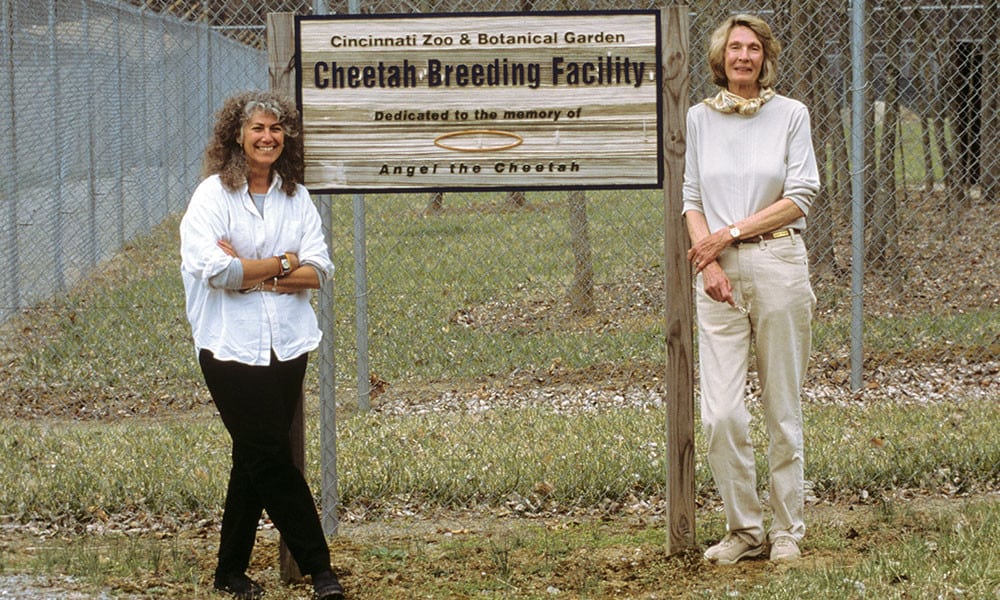
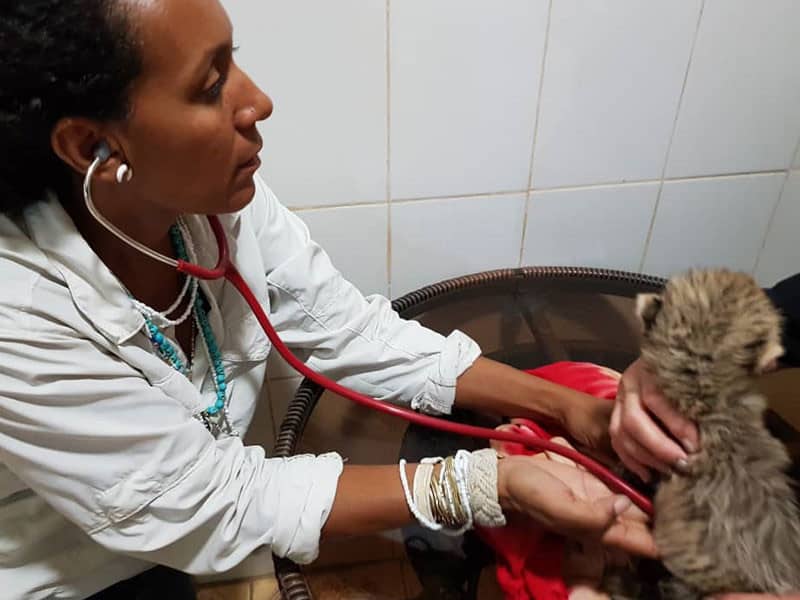
Efforts to conserve cheetahs involve captive breeding programs in accredited zoos and rehabilitation and rewilding initiatives for injured or orphaned individuals.
Yet, challenges persist, with illegal wildlife trafficking fueling the demand for cheetahs as exotic pets despite legal prohibitions in many countries.
The cheetah’s plight underscores broader issues of habitat destruction and human-wildlife conflict, highlighting the urgent need for concerted conservation efforts to safeguard this iconic species for future generations.

Read more Wildlife News.