
A federal appeals court has left New Mexico’s Roxy’s Law standing after affirming the dismissal of a challenge. The law bans traps, snares and wildlife poisons on public lands, with narrow exceptions—but it does not apply to private property.
The ruling is the latest development in a campaign that began after a dog named Roxy was killed by a snare near Santa Cruz Lake. It also clarifies an important point missing from some social-media posts: New Mexico did not enact a new statewide trapping ban this year. Lawmakers passed the Wildlife Conservation and Public Safety Act in 2021, and it took effect on April 1, 2022.
What the appeals court decided
On June 8, 2026, the U.S. Court of Appeals for the Tenth Circuit affirmed a federal district court’s dismissal of a lawsuit brought by the New Mexico Trappers Association and other plaintiffs.
The decision did not broadly rule on whether every part of Roxy’s Law is constitutional. Instead, the court concluded that the plaintiffs had not established the standing needed for the federal court to decide their claims, and it upheld dismissal without prejudice. In practical terms, the challenged law remains in effect.
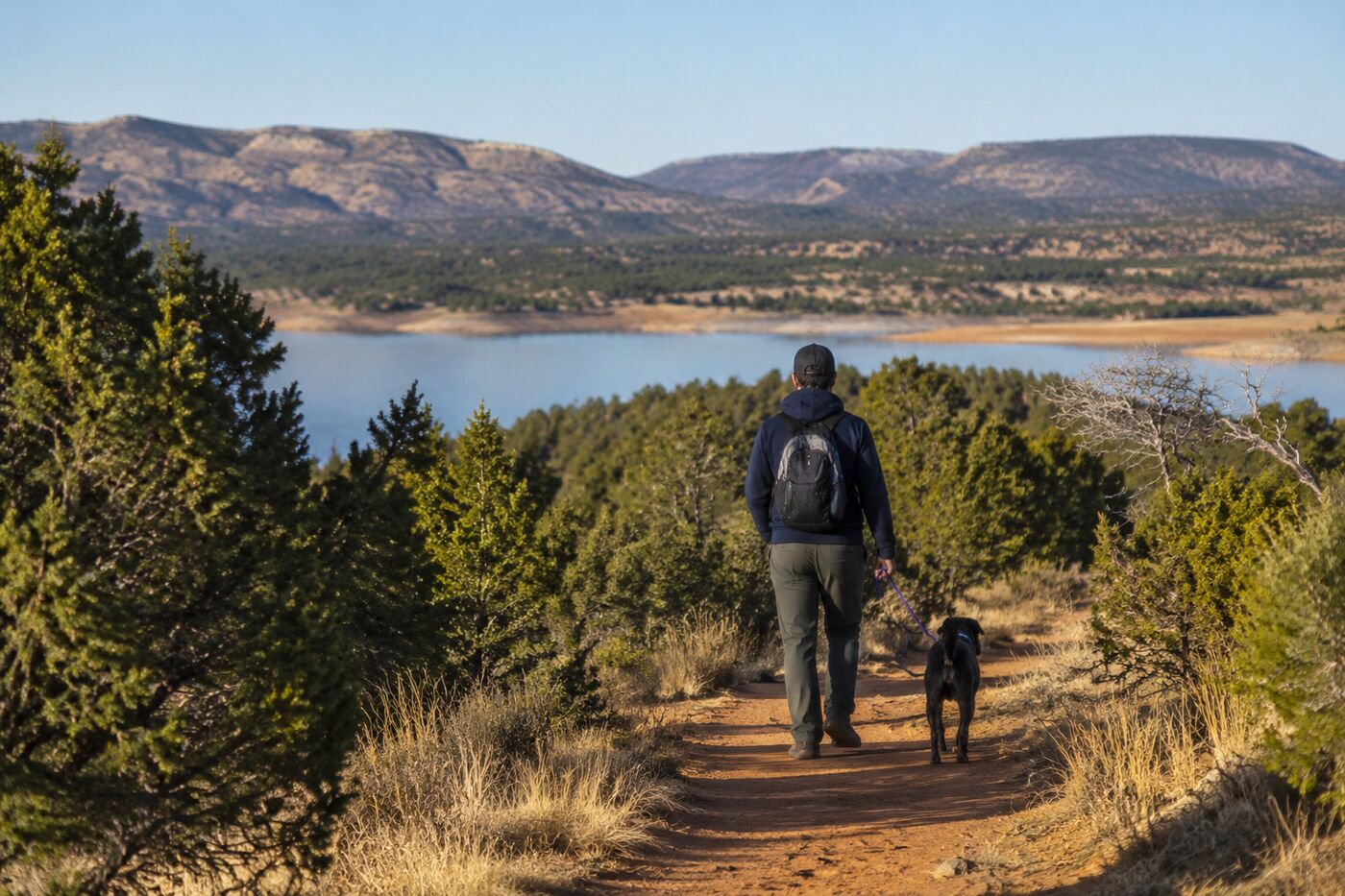
What Roxy’s Law bans—and what it does not
The statute makes it unlawful to use a trap, snare or wildlife poison to capture, injure or kill an animal on New Mexico public land. That restriction covers devices capable of catching animals indiscriminately, including steel-jaw and body-gripping traps.
The law is not a blanket ban across the entire state. It does not prohibit trapping on private property, and it contains specified exceptions. State information identifies limited circumstances involving public safety, scientific research and wildlife management, among other narrow uses authorized by law.
Those limits matter. Supporters describe the measure as protection for wildlife, companion animals and people using shared public spaces. Opponents have argued that it restricts a long-standing activity and can affect livelihoods, recreation and cultural practices. The court’s 2026 ruling addressed the plaintiffs’ ability to bring their particular federal claims, not every policy disagreement surrounding trapping.
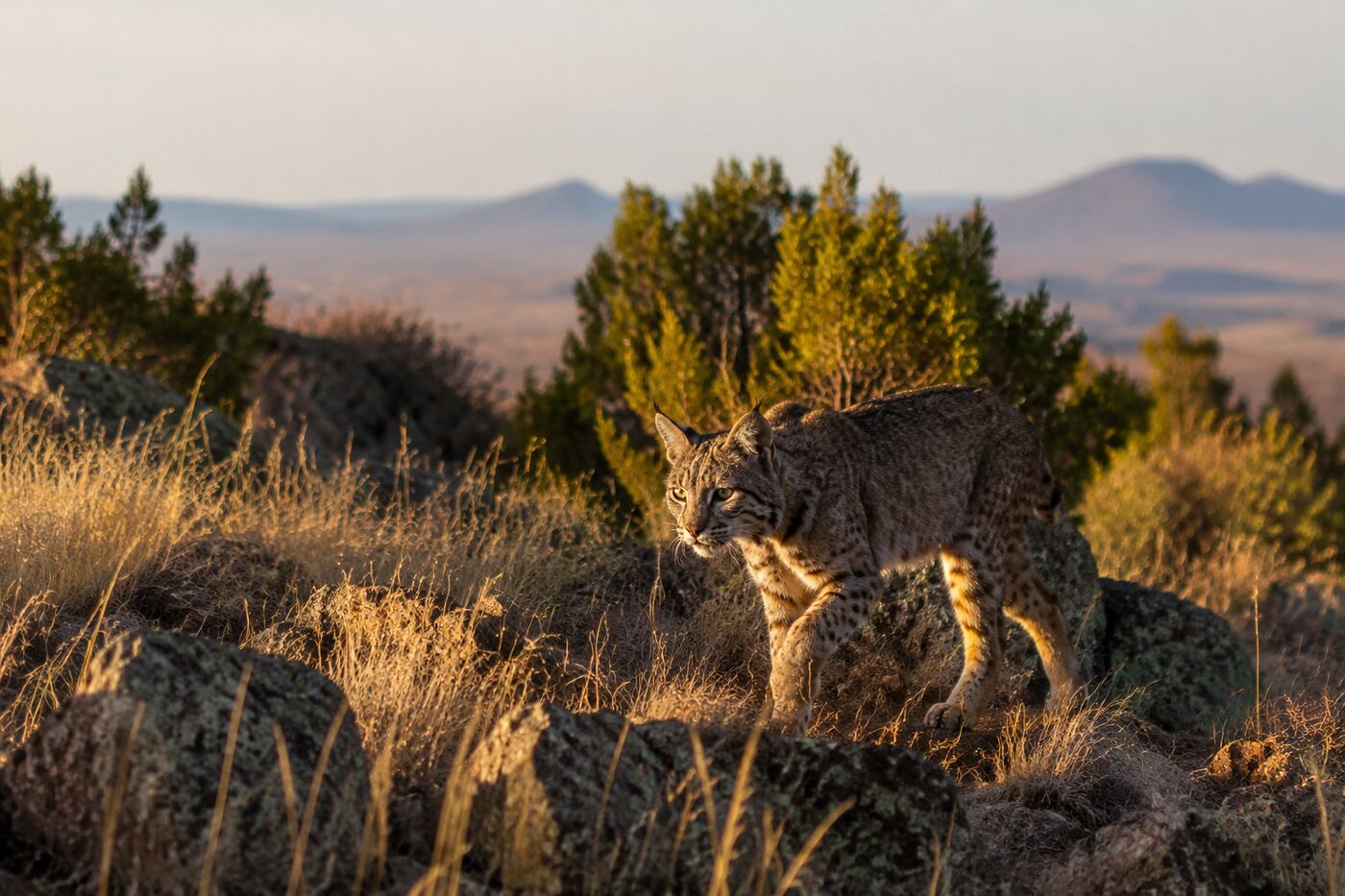
The dog whose death changed state policy
Roxy was a senior dog hiking with her family near the Santa Cruz Lake Recreation Area on November 25, 2018. She became caught in a neck snare on federal public land. Her owner tried to free her, but Roxy died before the device could be removed.
Her death drew attention to the risk that hidden traps and snares can pose to animals other than their intended targets. Advocates carried her name into the legislative campaign, and Senate Bill 32 became widely known as Roxy’s Law.
The law’s survival after the latest court challenge is therefore a meaningful moment for the people who spent years advocating for it. It is also a reminder to describe the change precisely: this is an existing public-lands law that remains enforceable after a procedural court victory, not a newly announced statewide ban.
Sources
- New Mexico Department of Game and Fish: trapping statute effective April 1, 2022
- U.S. Court of Appeals for the Tenth Circuit opinion, June 8, 2026
- KRWG: Roxy’s death and the campaign for reform
- Animal Legal Defense Fund: Roxy’s Law overview
- Bureau of Land Management: Santa Cruz Lake Recreation Area
The featured and supporting images are original illustrations created for this report; they do not depict Roxy or the 2018 incident.
