
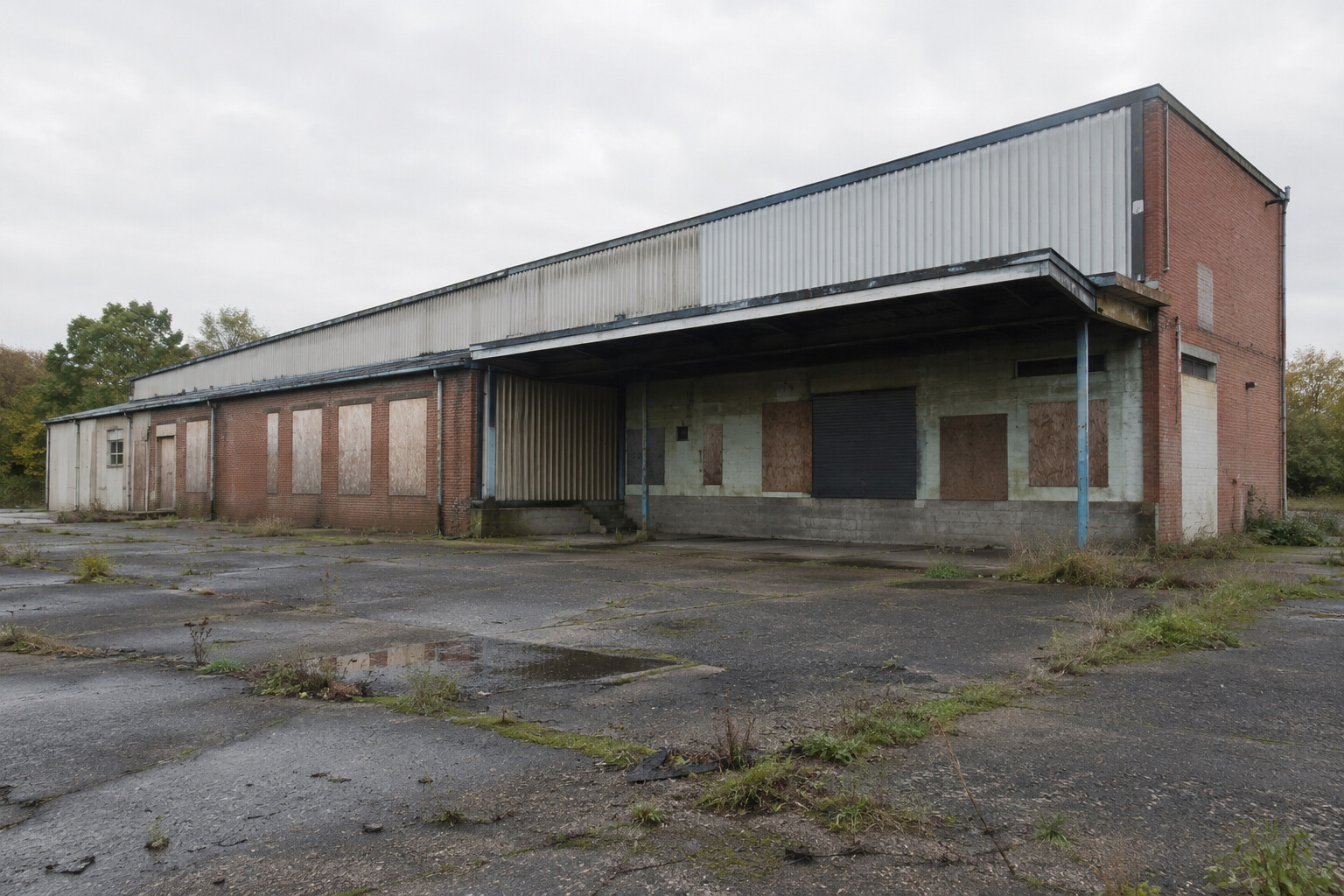
A former Pilgrim’s UK pig slaughterhouse in Greater Manchester has been demolished, removing a site that became widely known after undercover footage brought renewed attention to the use of carbon dioxide (CO₂) to stun pigs before slaughter.
The Bow Street facility, on the Ashton-under-Lyne/Dukinfield border, closed in July 2023. Demolition later cleared the former plant, which had operated for around 70 years.
The removal of the building is a meaningful symbolic moment for animal advocates. But the documented timeline matters: the investigation, the closure and the demolition are connected by place and public debate, yet the evidence does not establish that the undercover footage alone caused the closure.

Footage put CO₂ stunning back in the spotlight
Footage published in May 2023, recorded inside the Ashton abattoir in 2021 by activist Joey Carbstrong and his team, showed pigs being moved into gondolas and lowered into a CO₂ chamber. Campaigners said the animals appeared distressed and called for the method to be investigated and replaced.
Reporting on the video described the images as reigniting a long-running welfare debate. Industry representatives, meanwhile, said CO₂ systems were then recognised as the most welfare-friendly available option at commercial scale while alternatives were being explored.
That disagreement is central to the story. Demolishing a former facility does not settle the wider question of how pigs are killed across the food system, but it does not erase the public scrutiny prompted by the footage either.
Why the facility closed
Pilgrim’s UK announced its proposal to close the Ashton site in May 2023 and said the decision formed part of a wider review of its operational footprint amid difficult market conditions. The company cited a contracting UK sow herd, high production costs, lower pig prices and limits on modernising the ageing urban site. Operations were transferred to other facilities.
So it would be inaccurate to report that the company closed Ashton because of the investigation alone. The verified development is that a plant featured in the public debate over CO₂ stunning has now been demolished after its 2023 closure.
A symbol, not the end of the issue
For people concerned about farmed-animal welfare, the images from Ashton made a hidden stage of the supply chain visible. That visibility has helped sustain calls for less distressing slaughter methods, stronger oversight and more transparent reporting.
The former building is gone. The broader policy debate—about animal sentience, handling, stunning and the safeguards expected in slaughterhouses—continues.
Sources
- The Guardian: undercover footage and the debate over CO₂ stunning
- Pilgrim’s UK closure announcement, reported by National Hog Farmer
- Meat+Poultry: confirmation of the 2023 closure
- Manchester Evening News: demolition plans for the former Bow Street site
