
A Florida woman who registered a pet-rescue business at her Altamonte Springs home was sentenced to seven years in prison after authorities found starving animals, unsanitary cages and the remains of dead dogs, cats and kittens on the property.
Tonya L. Grose pleaded no contest on March 3, 2025, to 23 animal-cruelty charges: 13 felony counts involving animals that died or experienced pain or suffering, and 10 misdemeanor counts.
Circuit Judge Melanie Chase imposed a seven-year prison sentence followed by 10 years of probation. Grose is prohibited from owning animals throughout the probationary period, according to the Office of the State Attorney for Florida’s 18th Judicial Circuit.
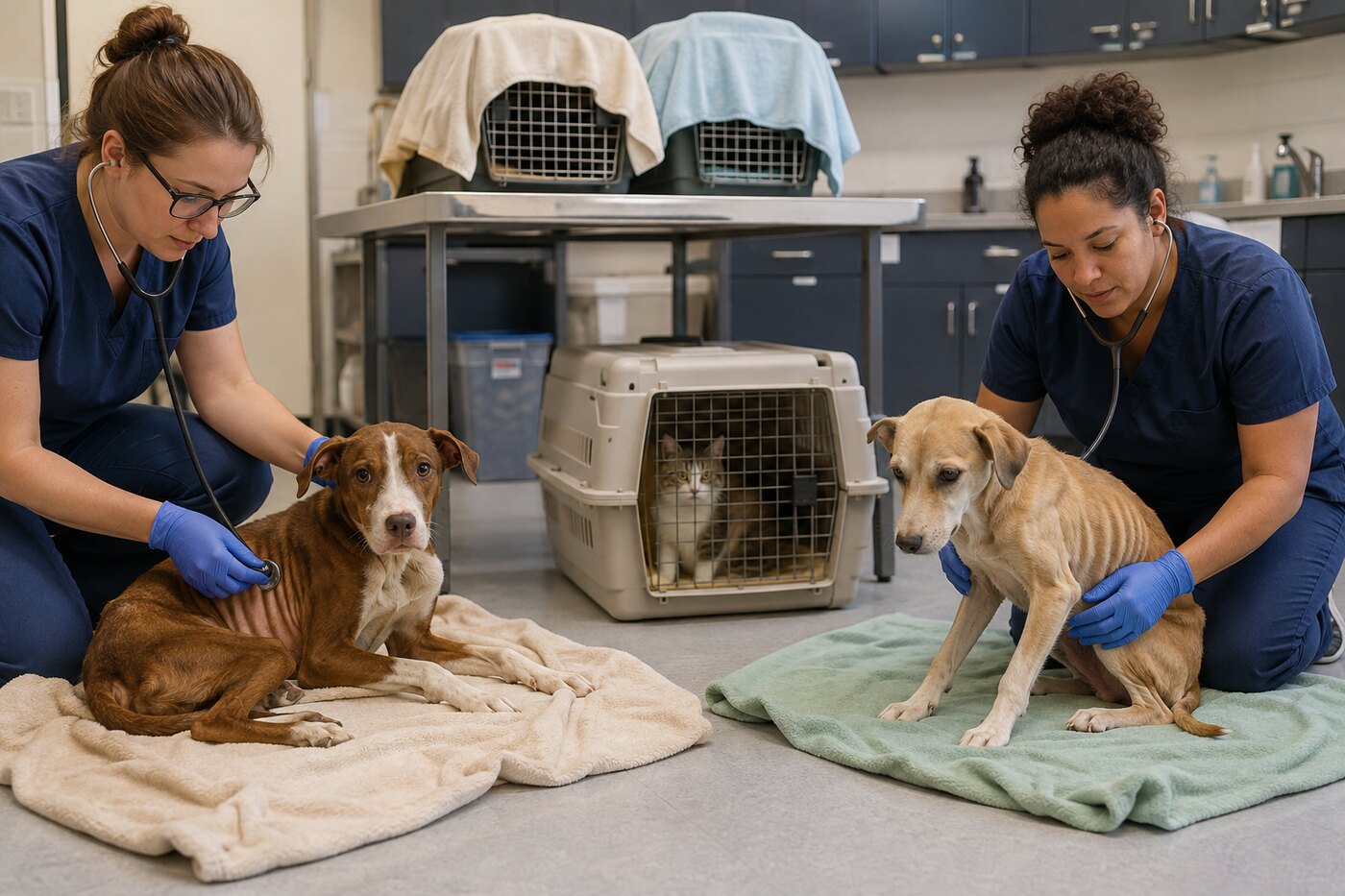
Forty-one animals removed from the home
The investigation began in September 2023, when Seminole County Animal Services and Altamonte Springs police conducted an animal-welfare check at Grose’s Ballard Street residence.
Officers reported smelling urine and feces before entering. Inside and around the property, investigators encountered emaciated dogs without adequate food or water, cats living amid accumulated waste, and birds in cages contaminated with feces and cockroaches.
Authorities also found dogs confined in backyard cages and inside a hot shed without ventilation. A second shed contained a dog’s skeleton and more than 15 large trash bags holding animal remains in different stages of decomposition, according to police accounts reported at the time.
County officers removed 41 living animals: 26 dogs, 13 cats and two exotic birds. Two dogs died while authorities were carrying out the rescue and transport operation.
The details showed that the case was not a dispute over imperfect housekeeping or an overwhelmed owner falling briefly behind. Prosecutors described animals being allowed to starve and die while confined in filth.
A registered rescue without the resources to provide care
Business records showed that Grose had registered a pet-rescue operation at the home. The official sentencing announcement said she admitted that she lacked the money or food needed to care properly for the animals.
That fact has made the case especially disturbing to animal advocates. A rescue presents itself as a place of safety for animals already at risk. People surrendering, fostering or transferring an animal must be able to trust that the organization has the capacity to provide food, veterinary treatment, sanitation and humane housing.
Good intentions or a rescue label do not replace those basic requirements. When the number of animals exceeds a caregiver’s space, finances or ability, asking established shelters and authorities for help is essential before neglect becomes suffering.
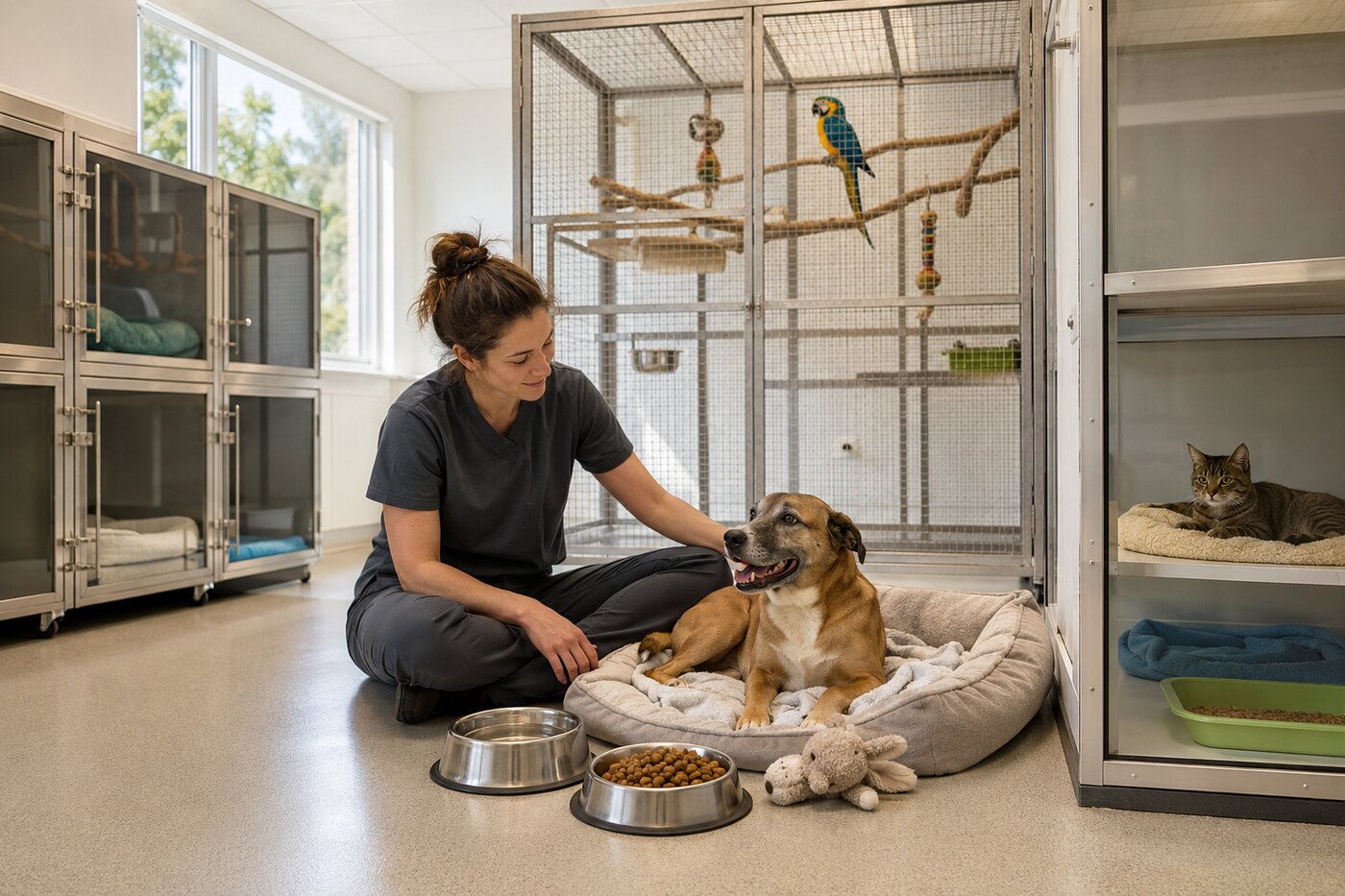
The sentence and the animals who survived
Grose’s no-contest plea resolved the criminal case without a trial. A no-contest plea does not formally admit the allegations, but it permits the court to enter a conviction and impose a sentence.
The seven-year prison term was followed by a decade-long restriction designed to prevent another accumulation of animals under her control. Prosecutors confirmed that Grose may not own animals during probation.
The 41 surviving animals were surrendered to Seminole County Animal Services for veterinary evaluation and care. Their removal also placed pressure on an already crowded county shelter, which asked the public at the time to consider adopting animals that were ready for homes.
For the animals taken from Ballard Street, intervention meant access to clean shelter, food, water and medical attention. The sentence cannot undo what happened inside the property, but it establishes accountability for conditions hidden behind the language of rescue.
Sources
- Office of the State Attorney, 18th Judicial Circuit — sentencing announcement
- Spectrum News 13 — initial rescue and police findings
- FOX 35 Orlando — September 2023 arrest and property conditions
- FOX 35/FOX Television Stations — sentencing report
