
Wild bison that naturally cross from Utah into Colorado can no longer be killed or captured without state authorization.
Colorado’s Protect Wild Bison Act, signed in May 2025 and effective January 1, 2026, classifies free-roaming bison as both wildlife and big game. The change closes a legal gap that had left animals from Utah’s Book Cliffs herd exposed once they stepped across the state line.
Under the enacted law, illegally killing or capturing a wild bison carries a $10,000 fine. Illegal possession can bring additional penalties. The protection does not apply to privately owned bison, animals that escaped lawful captivity or certain tribally owned or captive bison, which remain outside the law’s definition of wildlife.
A state line once changed everything
Colorado Parks and Wildlife says the state’s last historic native bison were killed in South Park in 1897. Wild bison now occasionally enter western Colorado from neighboring Utah, especially from the Book Cliffs herd.
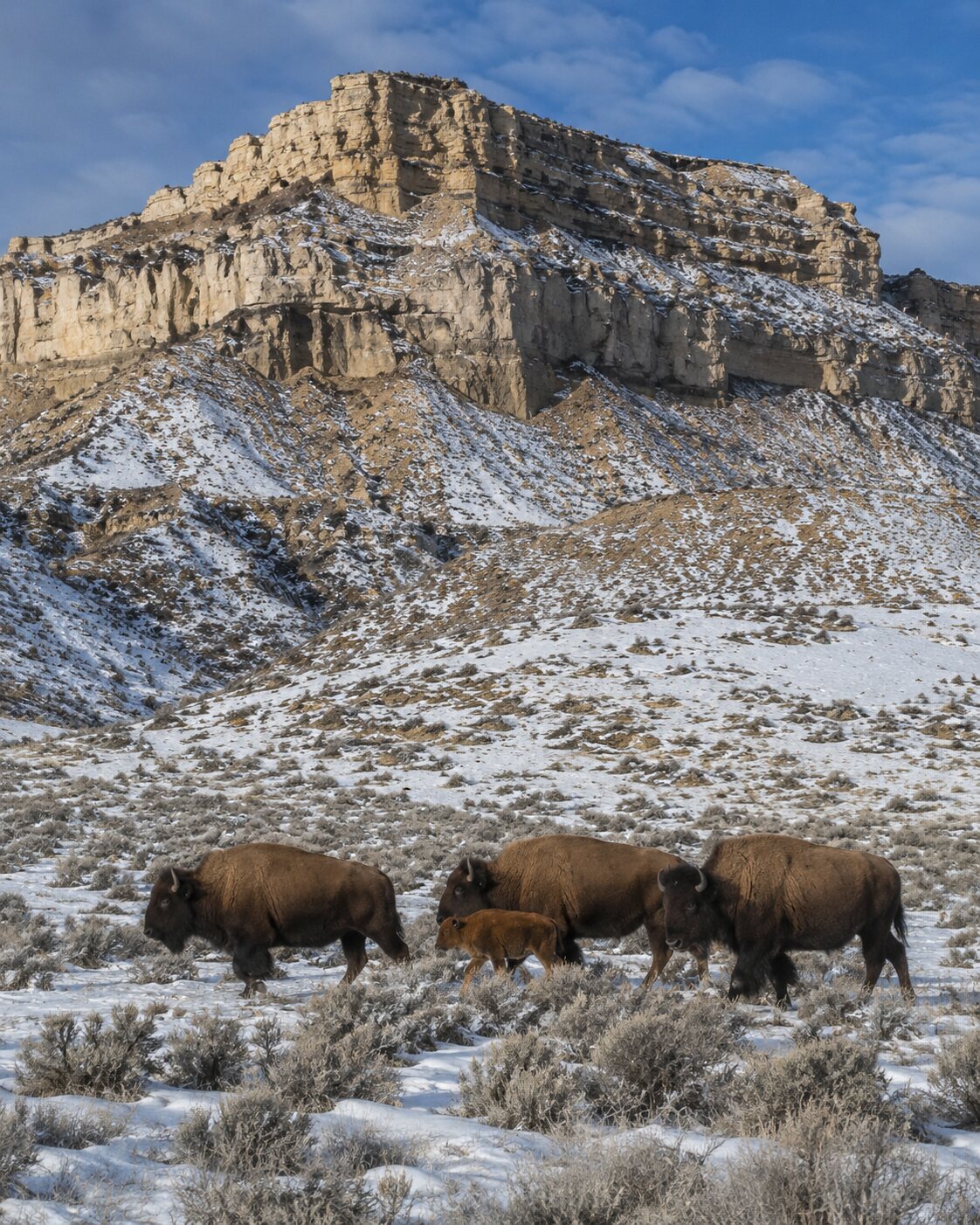
Before the new classification, Colorado treated bison as livestock rather than wildlife. State officials told lawmakers that about 12 bison had been killed in Colorado after leaving Utah during the previous decade. CPW later estimated about 25 were killed over 20 years, according to KUNC’s reporting.
The new framework distinguishes those wild travelers from domestic herds. That distinction matters to ranchers as well as conservation advocates: livestock remains under agricultural management, while naturally arriving wild bison falls under CPW and the Parks and Wildlife Commission.
Protection does not mean a permanent ban on every take
The law does not establish a routine bison hunt. CPW states that regular bison seasons are closed statewide and that it is not proposing a regular hunting season.
However, the agency now has a controlled process for issuing special management licenses if a specific need arises. Regulations allow limited authorization for property damage, disease concerns or preventing unplanned expansion outside an established management area. CPW’s rules say zero licenses are likely to be issued in many years.
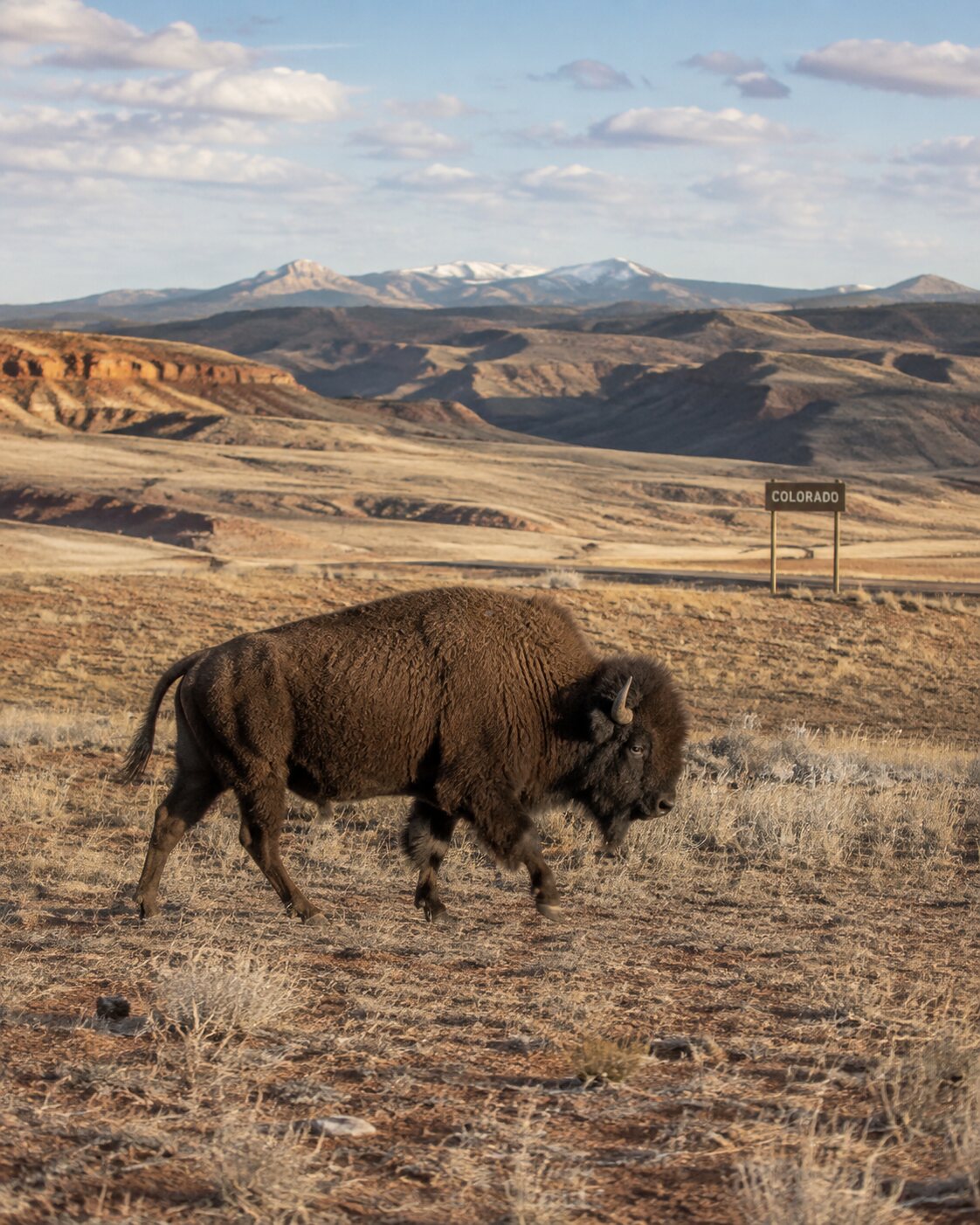
That is an important qualification. Colorado has not promised that a wild bison can never be killed. It has replaced unregulated killing with wildlife management: any take must occur under authority established by the commission and CPW.
What comes next for returning bison
CPW is developing a management plan for the Book Cliffs animals. That process is expected to address where the bison will be managed, appropriate population objectives, disease monitoring and conflicts involving crops, forage, livestock and private property.
The new law does not answer every question about restoring bison to Colorado. Habitat, migration routes, landowner concerns and the animal’s cultural importance to Tribal nations all require careful attention.
But it establishes a clear starting point: a wild bison does not lose all protection simply because it followed the landscape across an invisible human boundary. After more than a century without a resident wild herd, Colorado is choosing management over an open invitation to kill.
Sources
- Colorado General Assembly — SB25-053 Protect Wild Bison
- Colorado Parks and Wildlife — Bison
- Colorado Parks and Wildlife Commission — final implementing regulations
- KUNC — Colorado’s wild-bison management framework
- The Colorado Sun — wild bison crossing from Utah gain protection
