
A lion’s life is worth more than a trophy. That message has long been central to Ricky Gervais’s animal advocacy, but the social-media lead in this queue is not a new statement or breaking event.
The clearest documented milestone came in November 2018, when Humane Society International—now Humane World for Animals—presented Gervais with its first Cecil Award. The honor was named after Cecil, the lion killed by an American trophy hunter in Zimbabwe in 2015, and recognized Gervais’s public opposition to trophy hunting and other forms of animal exploitation.
Eight years later, the conservation questions behind that recognition remain important. Lions continue to face several interacting pressures, including habitat loss, reduced prey, conflict with livestock owners, illegal killing and poorly managed hunting.
Lions are more than symbols
Lions are social predators that live in prides, defend territories and help shape the ecosystems around them. Their role cannot be reduced to an image of strength or a mounted trophy. Each animal is part of a family group and a wider population whose survival depends on enough habitat, prey and tolerance from neighboring communities.
The International Union for Conservation of Nature lists the lion as Vulnerable and reports a decreasing population trend. Conditions vary across Africa: some intensively managed populations are stable or growing, while others have suffered severe declines.
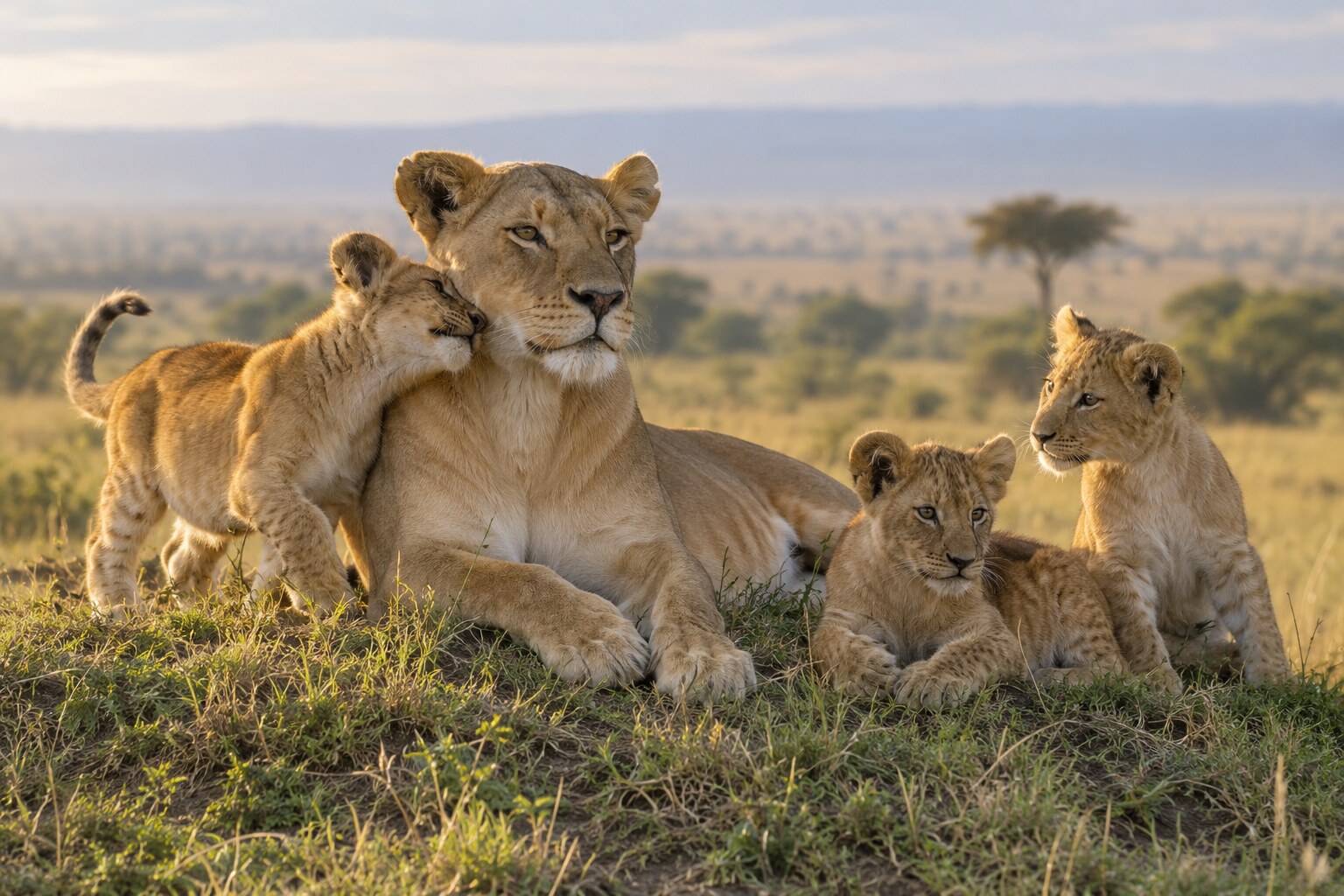
That uneven picture is why broad claims about hunting require care. Supporters argue that regulated trophy-hunting revenue can fund habitat protection and local economies. Critics counter that financial benefits may be unevenly distributed, that removing particular breeding animals can disrupt prides, and that killing animals for recreation raises an ethical issue even when a permit is legal.
Gervais helped turn Cecil’s death into a public question
Humane Society International said Gervais was among the prominent voices who spoke out after Cecil’s killing. His advocacy helped keep public attention on a basic question: should a wild animal’s value be measured by the price someone will pay to kill and display it?
The United States has also recognized that African lion populations require federal protection. The U.S. Fish and Wildlife Service listed one lion subspecies as endangered and another as threatened under the Endangered Species Act, with rules governing the import of sport-hunted trophies.
Legal protection does not mean all trophy imports are prohibited, and a permit does not by itself settle the conservation or ethical debate. It means authorities must consider the relevant population, management program and legal requirements rather than treating every lion as an unlimited resource.
Coexistence is essential to lions’ future
Trophy hunting is only one part of the larger challenge. As people, farms and roads expand into lion range, predators may attack livestock and face retaliatory killing. Those losses are serious for families whose livelihoods depend on cattle, goats or other animals.
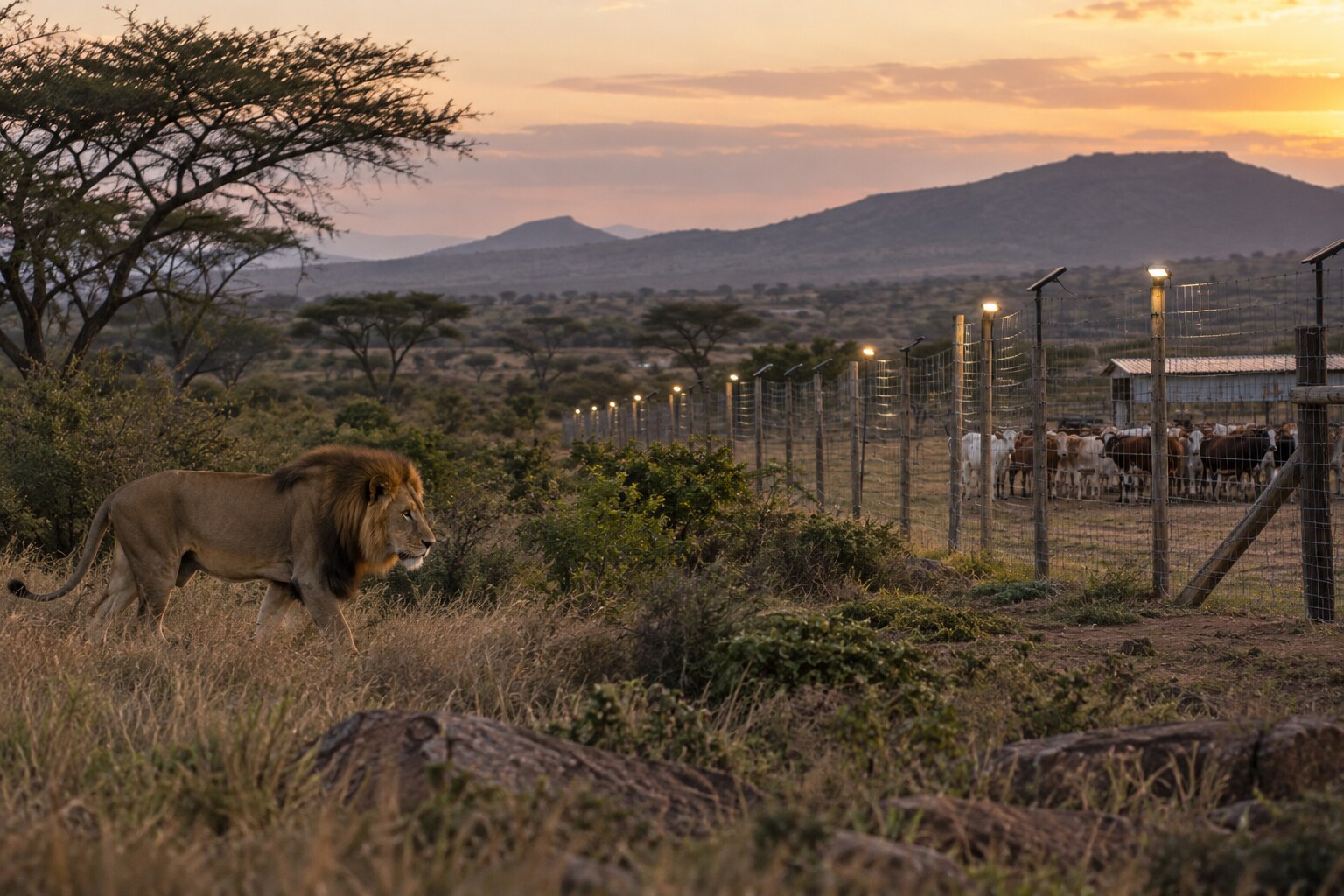
Conservation therefore works best when it protects both wildlife and communities. Strong livestock enclosures, lights, trained herders, early-warning systems and fair compensation programs can reduce conflict. Protected habitat and connected wildlife corridors give lions room to move without repeatedly entering settlements.
Gervais’s advocacy is powerful because it asks people to see the living animal before the trophy. But lasting protection requires more than celebrity attention. It requires science-based management, transparent policy, habitat protection and practical support for people who share landscapes with large predators.
A photograph of a lion alive in the wild represents a future. A trophy represents a life already taken. The enduring challenge is to build conservation systems that keep lions alive while giving neighboring communities real reasons and resources to coexist with them.
Sources
- Humane World for Animals: Ricky Gervais receives HSI’s first Cecil Award
- IUCN Red List: African lion assessment
- U.S. Fish and Wildlife Service: African lion
