
Mountain lions remain one of North America’s most important—and most debated—native predators. Also called cougars, pumas and panthers, they help shape healthy ecosystems, yet they are legally hunted in some states and can also be killed following documented conflicts with livestock or pets.
The issue cannot be reduced to a simple choice between wildlife and rural communities. Ranchers have legitimate reasons to protect animals in their care, while mountain lions have an ecological role that extends far beyond the moment when one is seen near a home, trail or pasture.
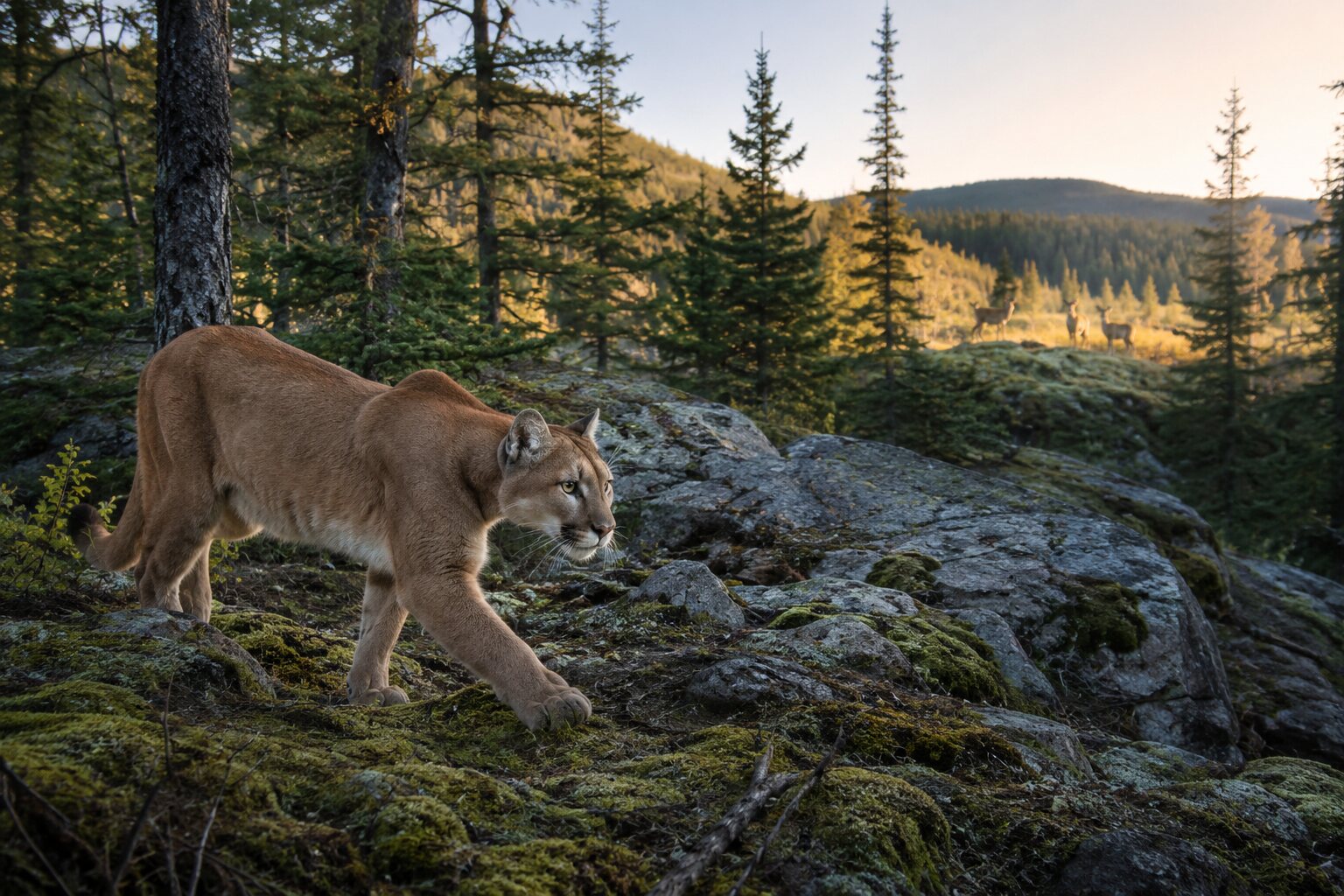
Why mountain lions matter
The National Park Service describes mountain lions as a keystone species. Through their interactions with prey, the big cats can regulate prey abundance and behavior, reduce pressure on vegetation and contribute to wider effects on biodiversity, disease transmission and soil fertility.
California wildlife officials similarly say mountain lions provide ecosystem benefits by helping maintain healthy prey populations. Their diet can include deer and elk as well as wild pigs, feral horses, coyotes, raccoons and rodents.
That does not mean every mountain lion population faces the same conditions. Habitat connectivity, road mortality, available prey, human development and local rules all vary across the continent. Management decisions are largely made by states, creating a patchwork of approaches.
Hunting and lethal control remain part of the picture
In Colorado, mountain lions are managed as a game species and legal hunting continues under state regulation. Colorado Parks and Wildlife says its system is designed to maintain healthy lion populations while permitting a sustainable harvest. The agency also recognizes the animals’ prominent ecological role.
California takes a different approach. Recreational trophy hunting of mountain lions has been prohibited there since 1990, but state law still allows an animal to be killed in limited circumstances involving public safety or confirmed harm to livestock or pets. The California Department of Fish and Wildlife says it prioritizes nonlethal approaches when feasible.
These contrasting policies show why broad claims can be misleading. Mountain lions are neither fully protected everywhere nor universally hunted. Their legal status and the options available after a conflict depend on the jurisdiction and the facts of each case.
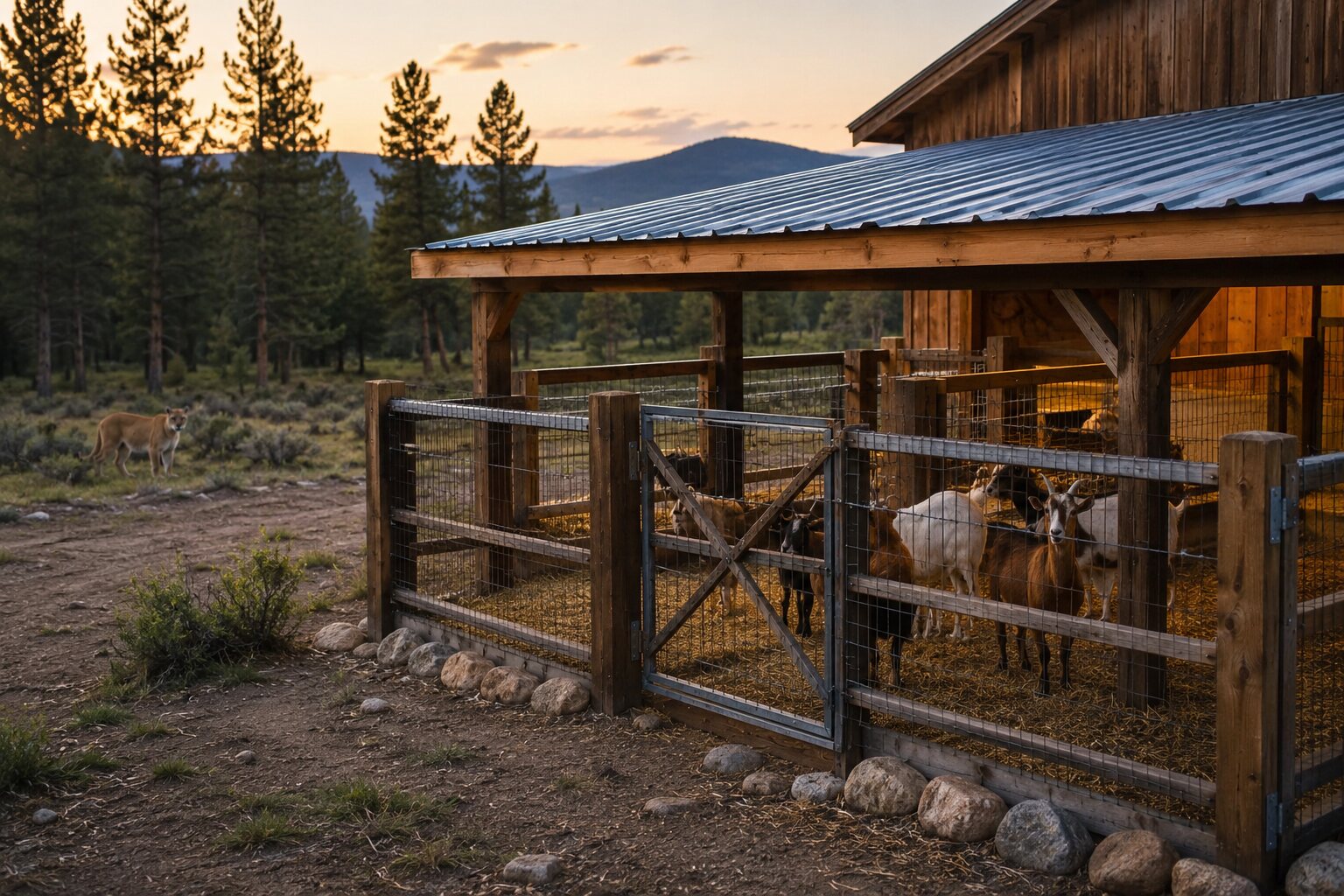
Coexistence starts before a conflict
Wildlife agencies advise people in mountain lion habitat to remove attractants and make animals harder for predators to reach. Practical measures include keeping pets indoors, especially from dusk to dawn; securing poultry and small livestock in roofed night enclosures; using sturdy fencing; installing motion-activated lighting; and avoiding practices that draw deer close to homes.
When livestock is injured or killed, prompt investigation matters. Tracks, feeding patterns and other evidence can help wildlife officers determine which predator was responsible and whether further action is justified. Assuming that every loss was caused by a mountain lion can lead to the wrong animal being blamed.
For people encountering a mountain lion outdoors, the U.S. Fish and Wildlife Service advises against running. People should face the animal, appear larger, speak firmly, give it an escape route and fight back if attacked. Most mountain lions try to avoid confrontation, but anyone living or recreating in their habitat should know how to respond.
Protecting mountain lions does not require dismissing the concerns of ranchers or communities. It requires investing in prevention, responding to verified threats proportionately and recognizing that a native predator is more than a trophy or a problem to remove. Coexistence is not always easy, but it offers a path that respects both human livelihoods and the wild animals that keep ecosystems functioning.
Sources
- National Park Service: Mountain lions are keystone species
- Colorado Parks and Wildlife: Mountain lion
- California Department of Fish and Wildlife: Mountain lions in California
- California Department of Fish and Wildlife: Human-wildlife conflicts
- U.S. Fish and Wildlife Service: Mountain lion safety
