
A bipartisan proposal in Congress seeks to fundamentally change how federal officials gather wild horses and burros from public lands across the American West.
The Wild Horse and Burro Protection Act of 2025, designated H.R. 4356, would direct the Bureau of Land Management to phase out aircraft-assisted roundups over two years. During that transition, aircraft used in gather operations would have to carry cameras, adding a new level of public accountability to operations conducted across vast and often remote landscapes.
Representatives Dina Titus of Nevada, Steve Cohen of Tennessee and Juan Ciscomani of Arizona introduced the measure on July 10, 2025. It was subsequently referred to the House Committee on Natural Resources.
The proposal has not passed the House or Senate and has not become law.
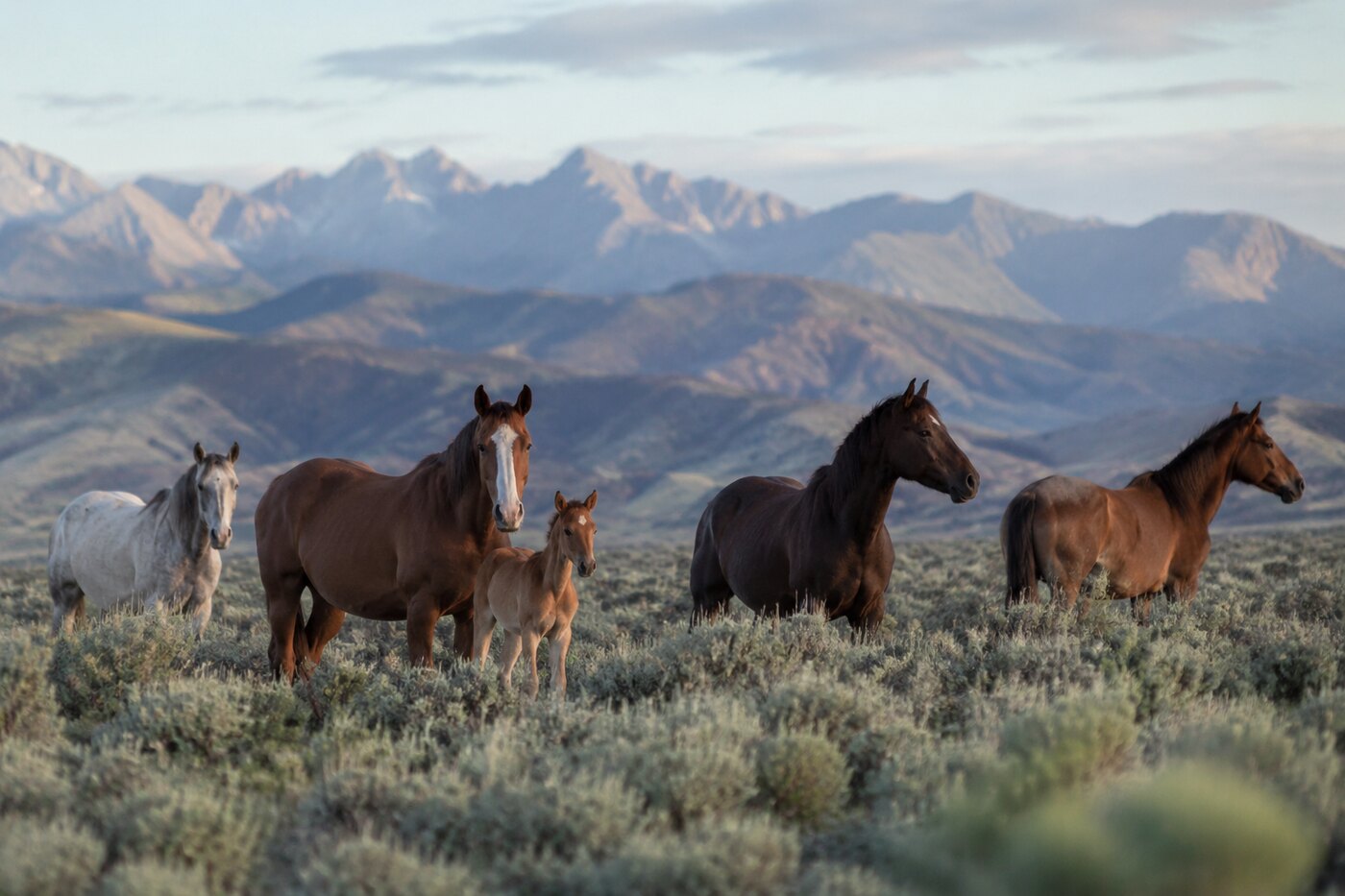
Why helicopter roundups remain controversial
Federal land managers use helicopters to locate and guide free-roaming horses and burros toward temporary capture sites. Supporters of the bill contend that being pursued over rugged terrain can subject the animals to fear, exhaustion and injury while disrupting established family bands.
The lawmakers also cite the financial burden of current gather operations. According to their announcement, at least $36.7 million was spent on roundups between 2020 and 2024, including more than $6 million paid to helicopter-roundup contractors during fiscal year 2022.
The BLM disputes the characterization of helicopter gathers as inherently inhumane. The agency says the method is safe, effective and necessary when large herds must be moved across broad or difficult terrain. It cites research indicating that capture-related fatalities occur in fewer than one out of every 300 horses gathered by helicopter.
Official gather reports nevertheless show that acute injuries and deaths can occur during some operations, alongside deaths or euthanasia associated with chronic and pre-existing conditions. Those distinctions are important when evaluating the consequences of individual gathers.
Cameras, alternatives and future jobs
Under H.R. 4356, aircraft operating during the two-year phaseout would have to use cameras. The resulting footage would be made available with official gather reports, allowing the public and policymakers to see more of what occurs during the operations.
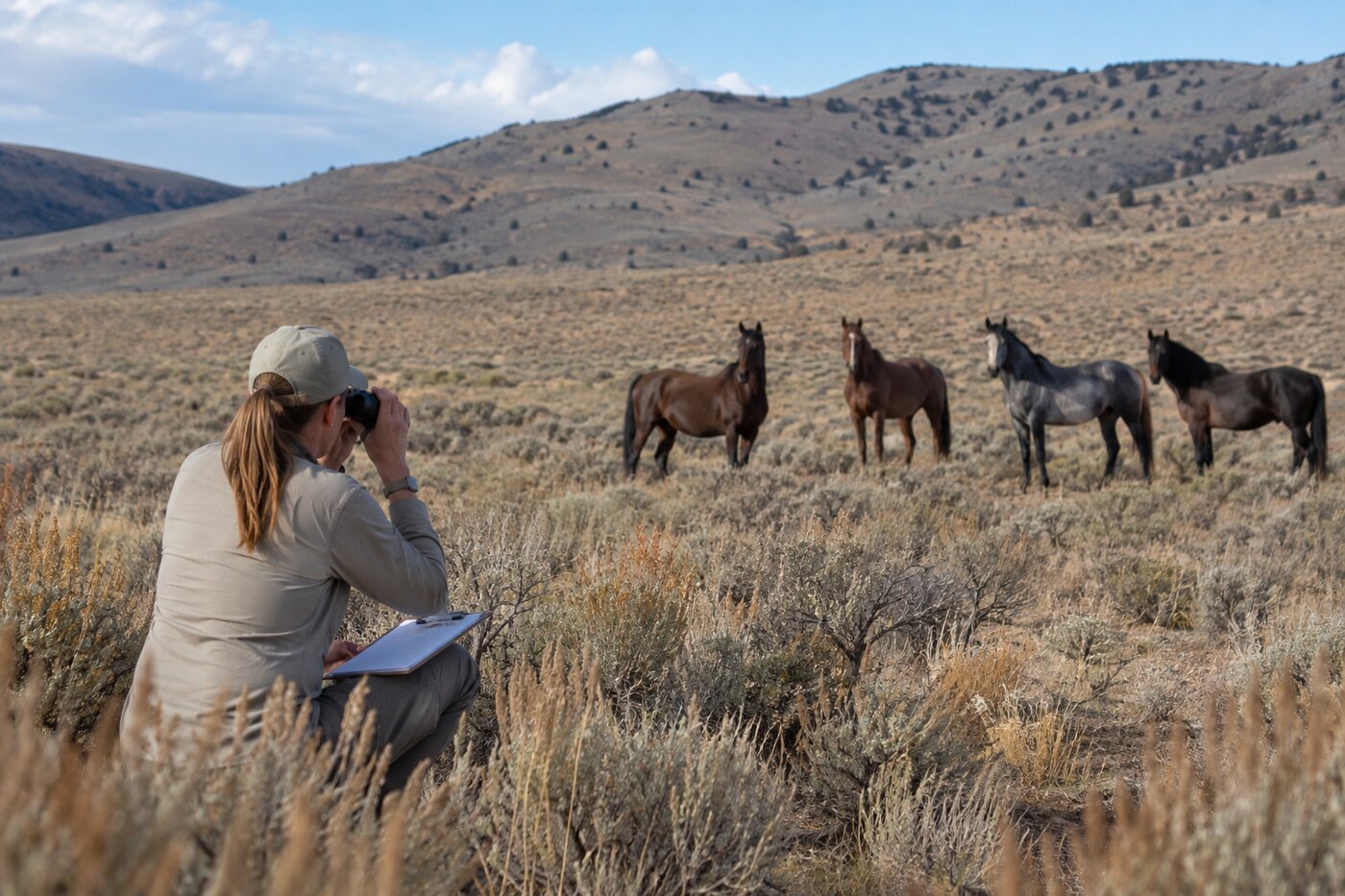
The bill would also instruct the Government Accountability Office to examine alternatives to aircraft-assisted gathers. That review would consider the effectiveness and cost of other management methods, possible employment opportunities created by those alternatives, and the effects of aircraft—including drones—on wild horse and burro populations.
Supporters want greater emphasis placed on fertility control and less disruptive, ground-based management. They argue that historically only a small portion of the Wild Horse and Burro Program’s budget has been devoted to fertility control, even as removal and long-term holding costs have grown.
Management of wild equines remains a difficult policy question. The BLM is legally required to address populations it determines exceed sustainable management levels, while advocates maintain that the agency should place greater priority on keeping horses together and free on their native ranges.
H.R. 4356 would not immediately stop all gathers. Instead, it would establish a transition away from aircraft and require the federal government to evaluate what could replace them.
Whether that transition occurs now depends on Congress. Until lawmakers advance and enact the measure, helicopter-assisted roundups remain legal.
Sources
- U.S. Congress — H.R. 4356
- Office of Rep. Dina Titus — bill announcement
- Office of Rep. Juan Ciscomani — bipartisan legislation announcement
- Bureau of Land Management — helicopter-gather safety data
- Bureau of Land Management — program facts and responses
